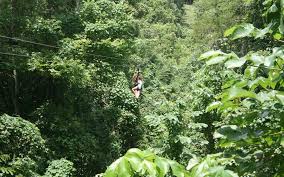
Mabira Forest canopy

UGANDA · MABIRA FOREST RESERVE

Mabira Forest Reserve — Uganda’s Premier Lowland Rainforest Birding Destination

One of Uganda’s most accessible and productive rainforest birding sites — over 315 recorded species, rare endemics like Nahan’s Francolin, spectacular turacos, hornbills, kingfishers and more.

Exceptional Accessibility

Located ~54 km east of Kampala (≈1 hour). Easy day trips or part of extended itineraries along the Kampala–Jinja corridor.

Outstanding Bird Diversity

Over 315 recorded species including Guinea–Congo forest biome specialists — highly productive per sq. km.

Home to Rarity

Rediscovery site of the rare Nahan’s Francolin — a major draw for serious birders and photographers.

Why Choose Mabira Forest for Birding?

Mabira is unique because it blends easy access with a rainforest species list usually found in remote locations. It’s ideal whether you’re on a tight schedule out of Kampala or building a longer, specialist itinerary.

  • Year-round birding: Resident forest species are present all year; seasonal migrants increase diversity.
  • Well-developed infrastructure: Maintained trails, knowledgeable local guides, signage and visitor facilities managed by Uganda Wildlife Authority.
  • Affordable experience: Reasonable entrance fees and guide costs; proximity to Kampala reduces travel expenses.
  • Great for all skill levels: Trails vary in difficulty and guides tailor the walk for beginners to experts.
Mabira forest trail

Explore pristine rainforest trails

Forest interior, mixed canopy, and swampy clearings offer varied habitats for specialized species.

Tour Details

  • Location: Mabira Forest Reserve (Central Uganda)
  • Distance from Kampala: ~54 km (approx. 1 hour)
  • Species: 315+ recorded species
  • Suitability: All levels (beginners to experts)
  • Cost: Affordable; entrance and guide fees apply

Map & Location

Suggested Itinerary

Day 1 — Arrival & Rainforest Walk

Depart Kampala early morning. Arrive Mabira and start guided forest walks along shaded trails. Focus on forest understory and canopy species. Listen for the loud call of Nahan’s Francolin and turacos. Afternoon: continue walks or visit viewpoint for canopy photography.

Day 2 — Targeted Specialties & Departure

Early morning stakeouts for ground species and secretive undergrowth birds. Search mixed-species flocks for hornbills, sunbirds and greenbuls. Optional visits to swampy areas for flufftails or nearby sites along the Kampala-Jinja corridor before returning to Kampala.

Birds You May See in Mabira

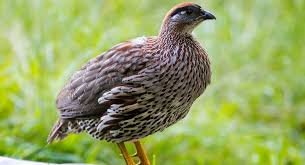
Nahan's Francolin

Nahan’s Francolin

The crown jewel: a critically endangered ground-dwelling species, rediscovered in Mabira. Secretive and often heard more than seen; requires patient, guided searches.

Behavior: Ground forager — insects, seeds, fruits. Call: loud “kow-kow-kow-kow”.
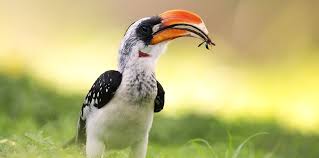
Hornbills

Hornbills (African Pied, Black-and-white-casqued, White-thighed)

Noisy canopy residents — important seed dispersers. Distinctive casqued bills & braying calls; frequent fruiting trees and canopy edges.

Best chance: forest canopy trails and fruiting fig trees.
Kingfishers

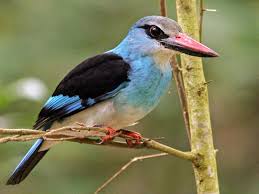
Kingfishers (Chocolate-backed, Blue-breasted, Shining-blue, Pygmy)

Forest-dwelling jewels — some hunt on the forest floor or near streams. Iridescent blues and delicate calls make them a photographer’s joy.

Spotting tip: watch shaded streams and low perches in mid-canopy.
Turacos

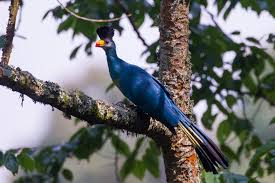
Turacos (Black-billed, Great Blue)

Living rainbows of the canopy — spectacular colours and crest displays. Iconic forest photographs and loud resonant calls.

Look for: small groups moving through fruiting canopy trees.
Woodpeckers and Barbets

Woodpeckers & Barbets

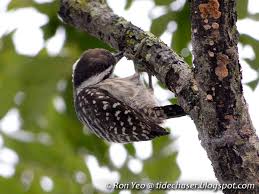
Hear the drums and duets — African Grey & Yellow-crested woodpeckers; Hairy-breasted, Yellow-billed and White-headed barbets frequent fruiting trees and trunks.

Behavior: drumming, duetting and fruit foraging.
Greenbuls and Bulbuls

Greenbuls & Bulbuls

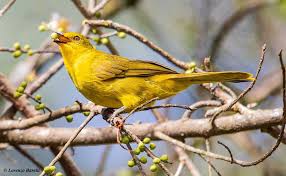
The forest’s background choir: Yellow-whiskered, Plain, Slender-billed and Honeyguide greenbuls are a constant acoustic presence.

Tip: learn their songs — they are often easier to hear than see.
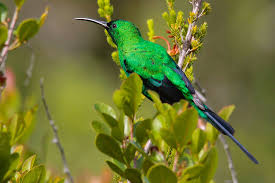
Sunbirds

Sunbirds

Green-headed, Blue-throated Brown, Olive-bellied, Collared and Purple-banded sunbirds — nectar-feeding jewels visiting flowers and shrubs.

Photography: stunning iridescence in dappled forest light.
Notable additionals

Notable Additional Species

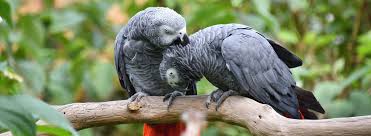
African Grey Parrot, Narina Trogon, Yellow-throated Tinkerbird, White-spotted Flufftail, Uganda Woodland Warbler, Forest Robin, Fire-crested Alethe, Cabanis's Greenbul, Forest Scrub Robin, Eastern Nicator.

Conservation note: African Grey Parrot populations face pressure from illegal trade — Mabira is an important refuge.

Gallery

turaco hornbill kingfisher parrot sunbird rainforest

Practical Tips

  • Start early — dawn is prime activity time for many forest species.
  • Bring waterproof footwear for swampy/muddy trail sections.
  • Pack insect repellent, rain jacket, binoculars, and a long lens for photographers.
  • Hire an experienced local guide — essential for secretive species like Nahan’s Francolin.

Conservation & Responsible Birding

Respect the forest by staying on trails, keeping noise low, and avoiding disturbance of nesting or roosting birds. Support local guides and community-run initiatives that help protect Mabira’s biodiversity.

Note: Several forest species are sensitive to disturbance. Photography should avoid nest approaches and prolonged playback.

Ready to Go Birding?

Book a guided trip or request a custom itinerary for photographers, listers, or family groups.

Contact Us to Book