
Overview
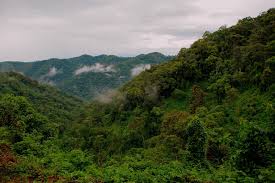
This week-long adventure combines Uganda's most iconic wildlife experiences, from the prehistoric Shoebill stork in Mabamba wetlands to the endangered mountain gorillas in Bwindi Impenetrable Forest and playful golden monkeys in Mgahinga. You'll journey through diverse ecosystems, from lakeside swamps to misty mountain forests, encountering some of Africa's rarest primates while experiencing Uganda's stunning landscapes and rich biodiversity.
The safari takes you from the shores of Lake Victoria through Uganda's terraced highlands, into ancient rainforests where half of the world's remaining mountain gorillas live, and to the dramatic Virunga Volcanoes where golden monkeys make their home. This is a journey that connects you with some of the planet's most endangered species in their natural habitat.
Key Highlights:
- Shoebill stork tracking in Mabamba Swamp wetlands
- Mountain gorilla trekking in Bwindi Impenetrable National Park
- Golden monkey trekking in Mgahinga Gorilla National Park
- Scenic drives through Uganda's terraced highlands and volcanic landscapes
- Cultural encounters with Batwa communities
- Relaxation at the stunning Lake Bunyonyi
Day 1: Arrival in Entebbe - Mabamba Swamp Shoebill Experience
Upon arrival at Entebbe International Airport, you'll be warmly welcomed by your safari guide who will transfer you to your hotel along the shores of Lake Victoria. After refreshing yourself, receive a comprehensive briefing about the exciting week ahead. Your wildlife adventure begins with a drive to Mabamba Swamp, located approximately 50 kilometers west of Entebbe. The journey takes you through local villages and fishing communities, offering glimpses of everyday Ugandan life.
Mabamba Bay is a vast wetland ecosystem formed where the Nile River leaves Lake Victoria, creating an expansive papyrus marsh that serves as critical habitat for numerous bird species. At the swamp, board a motorized canoe and glide through narrow channels carved into the dense papyrus vegetation. Your local guide, expert in bird behavior and swamp navigation, will skillfully maneuver through the waterways in search of the Shoebill stork. Standing up to 5 feet tall with a massive shoe-shaped bill, this solitary bird is a living relic that has remained virtually unchanged for millions of years.
The search typically takes 2-3 hours as you glide silently through papyrus-lined channels. Beyond the Shoebill, encounter malachite and pied kingfishers, African jacanas walking on lily pads, colorful bee-eaters, various herons and egrets, and if fortunate, the rare blue swallow. Return to Entebbe for dinner at your hotel. Spend the evening relaxing by Lake Victoria, perhaps enjoying a sundowner while watching local fishermen return with their catch in traditional wooden boats.
Day 2: Entebbe to Bwindi Impenetrable National Park
After an early breakfast, begin your journey to Bwindi Impenetrable National Park in southwestern Uganda. You have two transportation options: a scenic road journey or a domestic flight.
Road Journey Option: The drive covers approximately 460 kilometers and takes 8-9 hours, showcasing Uganda's incredible diversity of landscapes and cultures. Depart Entebbe and head west through flat agricultural lands dominated by banana plantations interspersed with tea estates. Stop at the Equator crossing near Kayabwe, approximately 75 kilometers from Kampala. A large monument marks the line dividing the Northern and Southern Hemispheres. Local guides demonstrate the Coriolis effect, and this is an excellent photo opportunity. Continue through Masaka town and past Lake Mburo National Park. The landscape becomes increasingly dramatic as you enter the Kigezi Highlands, often called the "Switzerland of Africa." Steep hillsides are carved into intricate terraces where local farmers cultivate Irish potatoes, sorghum, beans, and vegetables on seemingly impossible slopes.
Flight Option: Take a scheduled domestic flight from Entebbe to Kihihi or Kisoro airstrip (1.5 hours) with spectacular aerial views of lakes, forests, terraced hills, and volcanic peaks. Upon landing, your guide meets you for a 1.5-2 hour scenic drive to your lodge.
Arrive at your lodge near one of Bwindi's four trekking sectors. Attend a comprehensive briefing about gorilla trekking protocols. Rangers explain what to expect, trekking difficulty, necessary preparations, photography guidelines, and crucial rules. Learn about your specific gorilla family—their size, the silverback's name and personality, any new babies, and interesting behaviors. Spend the remainder of the day relaxing or take an optional village walk to nearby communities.
Day 3: Mountain Gorilla Trekking - Bwindi Impenetrable Forest
Wake before dawn to forest sounds—bird chorus, black-and-white colobus monkey calls, and the mysterious soundscape of one of Africa's oldest rainforests. After an early breakfast, dress in trekking gear: long-sleeved shirt and trousers, sturdy waterproof boots, and adjustable layers. Arrive at park headquarters by 7:30 AM for registration. Present your gorilla permit, verify your passport, and receive group assignment.
The briefing explains trek duration and difficulty are unpredictable—gorillas are wild animals, so treks range from 30 minutes to 8 hours depending on their location. Trackers who set out at sunrise communicate via radio, providing general direction. Receive final gorilla etiquette instructions, hire porters if desired, and collect walking sticks. Set off into the forest, entering a primordial world existing for millennia.
Bwindi's vegetation is incredibly dense—towering hardwood trees forming thick canopy, tangled undergrowth, hanging vines, and steep muddy slopes. Encounter other primates: black-and-white colobus monkeys with flowing white tails, L'Hoest's monkeys with distinctive white beards, red-tailed monkeys, and occasionally chimpanzees.
Trackers' voices crackle over the radio—they've located the gorilla family. Through dense green foliage, you see them. The first glimpse of a mountain gorilla is unforgettable. The silverback—weighing up to 220 kilograms—periodically rises to full height, chest-beating in displays of power, or stares with penetrating brown eyes. The next hour unfolds like a dream. Gorillas go about their daily routine largely unbothered—feeding constantly, mothers nursing infants, and young gorillas engaging in boisterous play.
Trek back through the jungle, processing the experience. Upon reaching the trailhead, receive a certificate commemorating your gorilla trek. Return to your lodge for hot lunch, shower, and rest. The afternoon offers optional activities: community walks to Batwa pygmy villages or visit community craft centers.
Day 4: Bwindi to Mgahinga Gorilla National Park
After a leisurely breakfast allowing muscle recovery, check out and begin the journey south to Mgahinga Gorilla National Park. The drive covers approximately 80-100 kilometers, taking 3-4 hours through spectacular mountain scenery. The route winds through the Kigezi Highlands with roads climbing and descending along terraced mountainsides. The views are phenomenal—layers of hills stretching to distant horizons, with cultivation extending to seemingly impossible elevations.
Pass through Kisoro, a bustling market town serving as gateway to Uganda's Virunga volcanoes. Continue as the road climbs toward Mgahinga Gorilla National Park, Uganda's smallest national park at just 33.7 square kilometers. The park protects the Ugandan slopes of three extinct Virunga Volcanoes: Mount Muhabura (4,127 meters), Mount Gahinga (3,474 meters), and Mount Sabyinyo (3,669 meters). These volcanoes straddle Uganda, Rwanda, and DR Congo borders, forming part of the larger Virunga Conservation Area.
Arrive at your lodge positioned to maximize volcano views. Check in and enjoy lunch while gazing at peaks where mountain gorillas and golden monkeys make their home. The dramatic volcanic landscape creates a completely different atmosphere from Bwindi's lowland forest. The afternoon is free to relax and acclimatize to the elevation (approximately 2,227 meters).
As the sun sets, volcanoes glow in golden light. The night sky at this elevation reveals an incredible display of stars. Attend a briefing about golden monkey trekking, learning about these endangered primates, their behaviors, and photography tips.
Day 5: Golden Monkey Trekking - Mgahinga Gorilla National Park
After breakfast, prepare for your golden monkey trek. Golden monkeys (Cercopithecus mitis kandti) are an endangered subspecies found only in the Virunga Volcanic Mountains and Gishwati forest. Drive to Ntebeko park headquarters for registration and briefing. Rangers explain golden monkeys' habits and behaviors. Unlike mountain gorillas which move slowly, golden monkeys are highly active, constantly leaping between bamboo stalks.
Set off into the park, initially walking through the buffer zone where communities cultivate crops. Cross the stone boundary wall into dense bamboo forest—golden monkeys' preferred habitat between 2,500-3,500 meters elevation. The trek through bamboo is generally easier than gorilla trekking. Trekking time varies from 30 minutes to 4 hours.
Suddenly you're among them, and the hour begins. Golden monkey trekking is dynamic and energetic. Monkeys constantly move—leaping between bamboo stalks with incredible agility. Typical groups contain 60-100 individuals. Watch as they skillfully strip bamboo shoots. Dominant males with vibrant golden coloration lead groups, mothers carry infants, and juveniles engage in constant play.
Return to park headquarters to receive your golden monkey trekking certificate. The experience, while different from gorilla trekking, is equally memorable—the monkeys' energy, beauty, and playfulness create joyful encounters. Return to your lodge for lunch and optional afternoon activities: nature walk through Rugezi swamp spotting birds, visit the Batwa Trail, or relax enjoying mountain views.
Day 6: Mgahinga to Lake Bunyonyi
After breakfast with final volcano views, check out and begin the journey to Lake Bunyonyi, one of Africa's most beautiful and deepest lakes. The drive covers approximately 45 kilometers, taking 1.5-2 hours through winding mountain roads. The route descends from Mgahinga's volcanic peaks through terraced agricultural landscapes.
Lake Bunyonyi appears below—a stunning expanse of blue-green water dotted with 29 islands, surrounded by steep terraced hills plunging directly into water. The lake's name means "place of many little birds" in the local Rukiga language. Descend to the lakeshore and check into your accommodation with rooms offering private balconies overlooking the island-dotted expanse.
After lunch, embark on a boat cruise or canoe ride exploring Lake Bunyonyi's islands. Visit Punishment Island (Akampene), one of the lake's most haunting sites, and Bwama Island, Lake Bunyonyi's largest. The lake is bilharzia-free, making it safe for swimming—a rarity in African freshwater bodies.
Return to your lodge for late afternoon leisure. The lake attracts birdwatchers with common species including grey-crowned cranes. As evening approaches, find a viewpoint for sunset. The sky transforms into spectacular displays of orange, pink, and purple reflecting off the lake's calm surface. Dinner is served at your lodge, perfect for reflection after days of adventure.
Day 7: Lake Bunyonyi to Entebbe - Departure
Enjoy a leisurely breakfast with final views of Lake Bunyonyi's serene waters and surrounding terraced hills. Take last photos, perhaps a quick morning swim or canoe paddle if time permits. Check out and begin your journey back to Entebbe. The return drive (8-9 hours by road) reverses your route through the Kigezi Highlands, offering opportunities to see landscapes from different perspectives.
Alternatively, drive to Kihihi airstrip for a domestic flight back to Entebbe (1.5 hours). The road journey allows final stops at points of interest: purchase last-minute souvenirs from roadside craft vendors, or revisit the Equator monument. Reflect on the incredible week as landscapes pass by. You've witnessed some of Earth's rarest wildlife—Shoebill storks, mountain gorillas, and golden monkeys.
If your international flight departs late and time permits, visit the Uganda Wildlife Education Centre in Entebbe to see other Ugandan wildlife species, or do last-minute souvenir shopping at Entebbe's craft markets. Transfer to Entebbe International Airport for your departure flight. As you board, carry unforgettable memories of Uganda's incredible wildlife, stunning landscapes, and warm hospitality.
What to Pack
- Sturdy, waterproof hiking boots with ankle support
- Long-sleeved shirts and long trousers (neutral colors)
- Rain jacket and waterproof trousers
- Warm fleece or jacket for cool evenings
- Light casual clothing for lodge time
- Sun hat and warm beanie for early mornings
- Swimwear for Lake Bunyonyi