
Day 1: Jinja - Source of the Nile and Adventure Activities
Your adventure begins with an early morning departure from Kampala, driving eastward for approximately 2-3 hours through Uganda's fertile countryside to reach Jinja, the country's adventure capital and fourth-largest city, beautifully situated where the Nile River dramatically exits Lake Victoria to begin its epic journey northward. Upon arrival around mid-morning, you'll first visit the Source of the Nile at Coronation Park, a historic site where British explorer John Hanning Speke proclaimed in 1858 that he had discovered the Nile's source (though local communities had known this for centuries), and where you can take a short boat ride to the exact spot marked by a monument where the mighty river begins its flow. After this cultural and historical orientation, you'll have lunch at one of Jinja's riverside restaurants offering spectacular views of the Nile's rapids, before embarking on your chosen adventure activity—options include world-class white-water rafting on Grade 5 rapids that have made Jinja internationally famous among adrenaline junkies, kayaking for those preferring a more controlled experience, bungee jumping from a 44-meter platform above the Nile, or gentler options like sunset boat cruises, stand-up paddleboarding, or quad biking through local villages. The full-day white-water rafting experience (most popular choice) takes you through approximately 25 kilometers of the Nile, tackling rapids with names like "The Bad Place," "Vengeance," and "Total Gunga" that flip rafts and send paddlers swimming through churning water, interspersed with calmer sections where you can float peacefully, spot kingfishers and fish eagles, and even swim in the warm Nile waters while your guides share stories and ensure safety throughout the thrilling 5-6 hour journey. Evening finds you relaxing at your riverside lodge or campsite, perhaps enjoying a cold Nile Special beer while watching the sunset paint the river golden, sharing stories with fellow adventurers, and resting your muscles in preparation for the long journey into Karamoja region tomorrow.
Day 2: Transfer to Pian Upe Wildlife Reserve via Sipi Falls
Today involves one of Uganda's most scenic and culturally fascinating drives as you leave the lush landscapes around Jinja and travel approximately 6-7 hours northeastward into the semi-arid Karamoja region, with a crucial stop at the spectacular Sipi Falls. Departing after an early breakfast, you'll drive through Mbale town and begin ascending the slopes of Mount Elgon, Uganda's second-highest mountain at 4,321 meters, reaching the Sipi Falls area around mid-morning where three magnificent waterfalls cascade down the mountain's cliffs in a series of drops totaling over 100 meters. You'll embark on a guided hike to view all three falls—a 2-3 hour trek through coffee plantations, local villages, and along cliff edges offering breathtaking views over the Karamoja plains stretching endlessly to the northeast—learning about Arabica coffee cultivation from local farmers who grow some of Uganda's finest beans on these fertile volcanic slopes. After lunch in Sipi and perhaps purchasing locally-grown coffee as souvenirs, you'll continue your journey into increasingly arid landscapes as the vegetation transforms from mountain forests to savannah and eventually to the thorny scrubland characteristic of Karamoja, passing traditional manyattas where Karamojong families live in circular arrangements of thatched huts surrounded by thorny acacia fences protecting their precious cattle at night. The cultural landscape becomes increasingly fascinating as you encounter Karamojong people—men often carrying traditional spears and sporting elaborate hairstyles and body scarification, women adorned with colorful beaded jewelry—herding their cattle and goats, the foundation of their pastoral economy and cultural identity that has survived despite government attempts at modernization. Arriving at Pian Upe Wildlife Reserve in late afternoon, you'll check into basic but comfortable accommodation (options are limited to community bandas or camping) and enjoy an evening game drive around the reserve, immediately appreciating the sense of wilderness and isolation that characterizes this rarely visited protected area where you might be the only tourists for days.
Day 3: Full Day Pian Upe Wildlife Reserve - Karamoja Wilderness
Today is dedicated to exploring Pian Upe Wildlife Reserve, a vast expanse of semi-arid savannah dominated by open grasslands, acacia woodland, and seasonal wetlands that support wildlife populations uniquely adapted to this harsh environment. Your early morning game drive beginning at 6:30 AM targets the reserve's special species including cheetahs (one of only two places in Uganda where they occur), though sightings require significant luck as the population is small and ranges widely across the open plains. Pian Upe's antelope diversity exceeds any other Ugandan park, with populations of roan antelopes (large, horse-like antelope with distinctive facial markings and backward-curving horns), greater kudus (magnificent spiral-horned antelopes found nowhere else in Uganda), mountain reedbucks on rocky hillsides, and large herds of common reedbucks, Jackson's hartebeest, oribi, and Bohor reedbucks grazing the grasslands. The reserve also hosts Bright's gazelles, Uganda's only gazelle species, alongside buffalo herds, zebras (though populations fluctuate due to cross-border movements), and predators including lions, leopards, spotted hyenas, and numerous smaller carnivores like bat-eared foxes, side-striped jackals, and caracals occasionally spotted in early morning hours. After returning to your accommodation for a midday break escaping the intense Karamoja heat, you'll enjoy an afternoon cultural visit to a Karamojong manyatta where you'll be welcomed into the community to learn about their pastoral lifestyle, witness traditional dances where warriors demonstrate jumping skills and women perform rhythmic songs, observe cattle kraals and understand the central importance of livestock in Karamojong culture, and hear about their challenges including cattle raiding conflicts, drought cycles, and the clash between traditional practices and modern development. The cultural experience provides profound insights into one of Uganda's most traditional societies, where elders still command respect, age-set systems organize social structures, and the warrior tradition continues despite government disarmament programs, while supporting communities through tourism income that incentivizes wildlife conservation—local Karamojong communities manage parts of Pian Upe through partnerships with Uganda Wildlife Authority.
Day 4: Transfer to Kidepo Valley National Park
Today involves a spectacular 4-5 hour drive from Pian Upe northward to Kidepo Valley National Park, traversing some of Uganda's most remote and dramatic landscapes. The journey takes you through the heart of Karamoja, passing rocky outcrops and inselbergs rising from flat plains, traditional villages where life continues much as it has for centuries, and increasingly isolated terrain as you approach Uganda's northern frontier. You'll likely encounter numerous roadblocks where friendly Ugandan military personnel check documents—this region bordering South Sudan requires security presence due to past instability, though the current situation is generally safe and these checkpoints add to the adventure atmosphere. The landscape becomes increasingly spectacular as you approach Kidepo, with the dramatic Morungole Mountains forming a stunning backdrop to the west and Mount Moroto visible to the south, while the valley itself opens before you like a hidden paradise enclosed by mountains on all sides creating a natural amphitheater. Arriving at Kidepo around midday, you'll check into your accommodation—options range from Uganda Wildlife Authority bandas to the comfortable Apoka Safari Lodge or Kidepo Savannah Lodge—and immediately appreciate why this park consistently ranks among Africa's finest despite its remoteness, with vast savannah plains stretching to distant horizons, complete absence of crowds (the park receives fewer than 2,000 visitors annually), and an authentic wilderness atmosphere unmatched anywhere in East Africa. After lunch and settling in, you'll embark on your first game drive through the Narus Valley, Kidepo's wildlife epicenter where permanent water sources attract concentrations of animals even during dry seasons, immediately encountering large buffalo herds often numbering 200-400 individuals, elephant families wandering between water holes, and hopefully lions lounging in the shade of acacia trees or prowling through the grasslands. The afternoon session provides your introduction to Kidepo's incredible wildlife diversity and the spectacular landscapes that will captivate you over the next two days.
Day 5: Full Day Kidepo Valley National Park - Narus Valley and Kidepo River
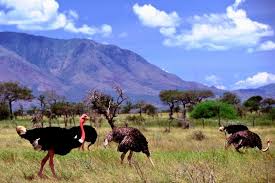
Your first full day in Kidepo begins before dawn with an early morning game drive through the Narus Valley, when predators are most active and the savannah comes alive with activity in the cool morning air. Kidepo hosts significant lion populations (estimated 120-150 individuals), and morning drives frequently produce sightings of prides resting after nocturnal hunts, with the open terrain making predator viewing easier than in bushy southern parks. The park's leopard population also thrives, though these elusive cats require luck to spot, while spotted hyenas, side-striped jackals, and bat-eared foxes patrol the plains, and if exceptionally fortunate, you might glimpse the rare cheetahs that occasionally pass through from neighboring Kenya. Elephant herds roam freely throughout Kidepo—the park hosts approximately 650 elephants—and you'll encounter family groups at the valley's permanent water holes, observing their complex social interactions, watching calves playing under protective supervision, and witnessing the touching tenderness of these gentle giants as they communicate through low-frequency rumbles imperceptible to human ears. The buffalo herds here form some of East Africa's largest concentrations, with super-herds occasionally numbering over 1,000 individuals creating a dramatic spectacle as they move across the plains like a dark, flowing river, while the valley also hosts Rothschild's giraffes (only found in Kidepo and Murchison Falls within Uganda), Cape elands (Africa's largest antelope), Jackson's hartebeest, defassa waterbucks, bushbucks, and the park's unique population of greater and lesser kudus, with the greater kudu's magnificent spiral horns making them one of Africa's most impressive antelopes. After returning for lunch and a midday siesta during the hottest hours, your afternoon adventure takes you to the Kidepo River along the South Sudan border, a remote and hauntingly beautiful area where the usually dry river bed is flanked by Borassus palms creating an almost surreal landscape against the mountain backdrop—this drive offers different species including ostriches striding across open plains (Kidepo is the only Ugandan park with ostriches), zebras, and excellent chances of encountering wildlife in a landscape so pristine and untouched that you feel like an explorer discovering country no outsider has seen, though the Karamojong and their ancestors have known these lands intimately for thousands of years.
Day 6: Morning Game Drive and Karamojong Cultural Experience
Your final morning in Kidepo offers one last opportunity to explore the Narus Valley's wildlife concentrations and search for any species that have eluded you during previous drives. The morning session might target specific animals like the aardwolf (a rare, termite-eating hyena relative occasionally seen in early morning), caracals, bat-eared foxes, or the various antelope species including Chandler's mountain reedbucks on rocky hillsides, while also consolidating sightings of lions, elephants, buffaloes, and other common species, with your expert guide knowing the best locations based on recent animal movements. Kidepo's birdlife exceeds 475 species including many found nowhere else in Uganda, such as the Kori Bustard (Africa's heaviest flying bird), ostriches, Secretary Birds striding majestically through grasslands, numerous raptors including the Verreaux's Eagle, and colorful species like the Abyssinian Roller and Northern Carmine Bee-eater decorating the landscape with flashes of brilliant color. After your final game drive and returning to your lodge for breakfast and checking out, you'll visit a nearby Karamojong manyatta (distinct from the Pian Upe community) where local people will welcome you into their traditional settlement to experience their unique culture and lifestyle. The Karamojong living around Kidepo maintain strong connections to their pastoral traditions, and your visit includes witnessing traditional dances where warriors demonstrate their impressive jumping abilities—jumping high is a point of pride and a display of strength and fitness—while women perform synchronized singing and rhythmic movements adorned in colorful beaded necklaces, earrings, and body decorations that indicate their status and clan affiliations. You'll tour the manyatta observing the construction of traditional dwellings, learn about their livestock-based economy where cattle represent wealth, status, and cultural identity far beyond simple economic value, hear about traditional practices including age-set systems that organize society, and understand the challenges facing Karamojong communities as they navigate between preserving cultural identity and adapting to modern Uganda's demands. The cultural immersion provides profound insights into one of Africa's last predominantly pastoral societies, adds human dimension to your wilderness experience, and supports community tourism initiatives that provide alternative income sources beyond cattle herding, helping reduce human-wildlife conflict and building local support for Kidepo's conservation.
Day 7: Transfer from Kidepo to Kampala/Entebbe
Your journey back to civilization begins early morning with the long but scenic 10-12 hour drive from Kidepo Valley to Kampala or Entebbe, retracing your route through the dramatic Karamoja landscapes. The drive itself becomes part of the adventure, offering opportunities to stop at local markets in towns like Kotido or Moroto where Karamojong people trade livestock, sorghum, and handicrafts, providing fascinating insights into daily life in this remote region and chances to purchase authentic souvenirs including traditional beadwork, woven baskets, and wooden stools that support local artisans. As you travel southward, the landscape gradually transforms from the semi-arid thorny scrubland back through increasingly green terrain, passing more villages, encountering colorful buses and trucks loaded impossibly high with goods and passengers, and experiencing the organized chaos of Ugandan rural life. Lunch stops en route allow you to sample local food at simple restaurants, interact with curious locals who rarely see tourists outside Kampala, and stretch your legs while reflecting on the extraordinary experiences of the past week exploring Uganda's adventure capital and remote northeastern wilderness. The long journey provides time to organize photos, write journal entries, and process memories of white-water rafting the Nile, trekking to spectacular waterfalls, encountering unique wildlife species in Pian Upe's isolation, experiencing authentic Karamojong culture, and game viewing in the magnificent Kidepo Valley where Africa still feels wild, untamed, and gloriously free from the modern world's intrusions. Arriving in Kampala or Entebbe in early evening, you'll have completed an off-the-beaten-path adventure showcasing a completely different side of Uganda than the famous gorilla and chimpanzee treks, having explored regions where tourism remains undeveloped, wildlife roams freely without crowds, and traditional cultures survive largely intact, carrying home stories, photographs, and memories of authentic African wilderness experiences that few travelers ever witness and that will inspire your travels for years to come.
Inclusions
Transportation:
- 4x4 safari vehicle with pop-up roof for game viewing
- Fuel for the entire trip
- English-speaking professional driver/guide throughout the safari
- Airport/hotel pickup and drop-off in Kampala or Entebbe
Accommodation:
- 6 nights' accommodation (1 in Jinja, 2 in Pian Upe, 3 in Kidepo area)
- Choice of budget, mid-range, or luxury lodges based on your preference
Meals:
- Full board meals (breakfast, lunch, and dinner) from Day 1 lunch to Day 7 lunch
- Drinking water in the vehicle throughout the safari
Activities & Park Fees:
- Pian Upe Wildlife Reserve and Kidepo Valley National Park entrance fees
- Source of the Nile boat ride and entrance
- Sipi Falls guided hike
- Game drives in Pian Upe and Kidepo Valley
- Karamojong cultural manyatta visits
- All ranger and guide fees for activities
Support & Safety:
- Travel insurance for Uganda (basic coverage)
- First aid kit in the vehicle
- Emergency evacuation arrangements (covered under insurance)
Exclusions
Personal Expenses:
- International flights to and from Uganda
- Visa fees for Uganda (currently $50 for most nationalities)
- Personal travel insurance (comprehensive coverage recommended)
- Tips and gratuities for driver/guide, lodge staff, and rangers
- Laundry services at lodges
Optional Activities:
- White-water rafting, bungee jumping, or other premium activities in Jinja
Meals & Beverages:
- Alcoholic beverages and soft drinks at lodges
- Any meals not specified in the itinerary
- Snacks and drinks purchased along the way